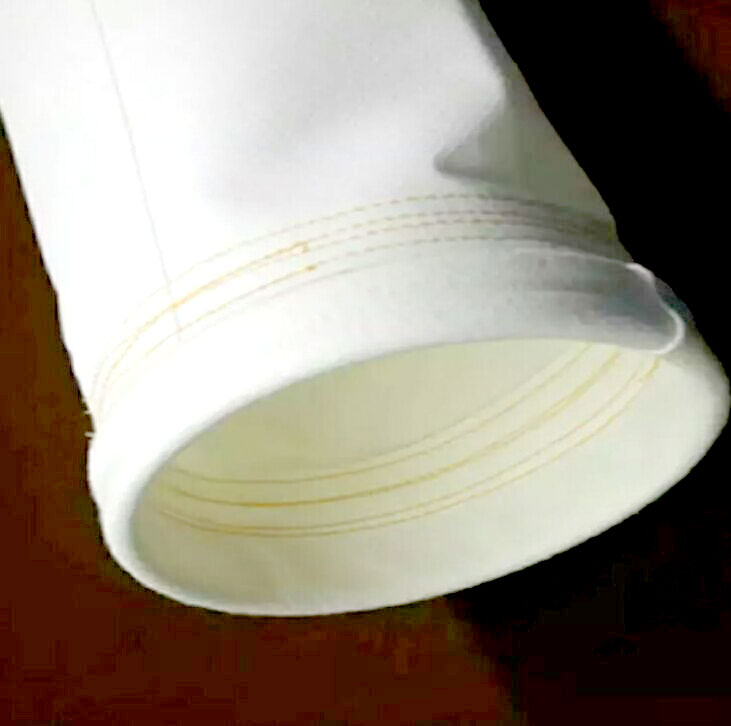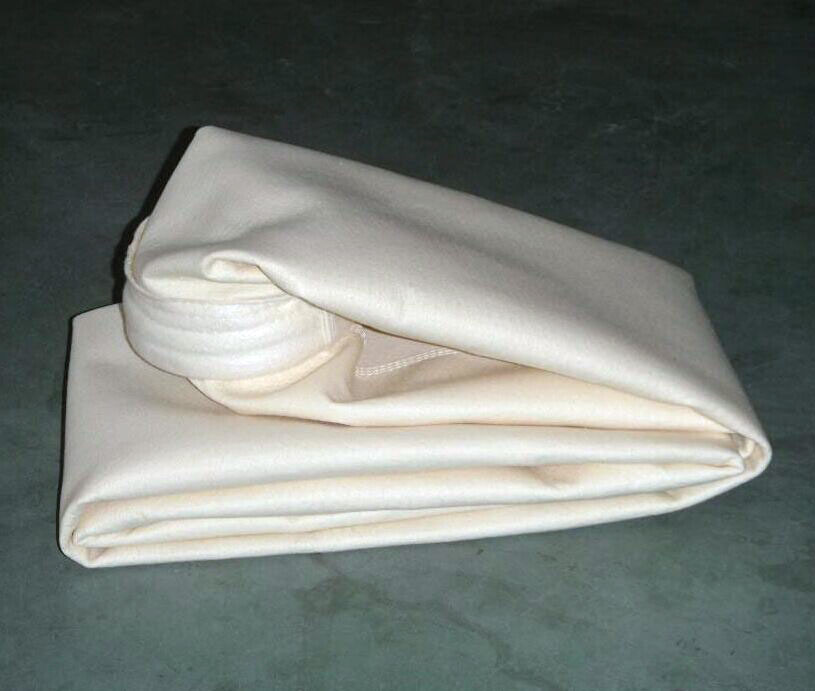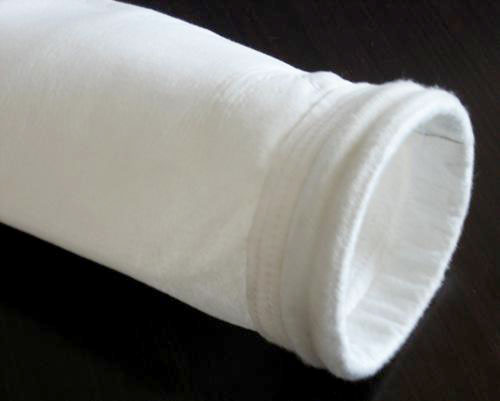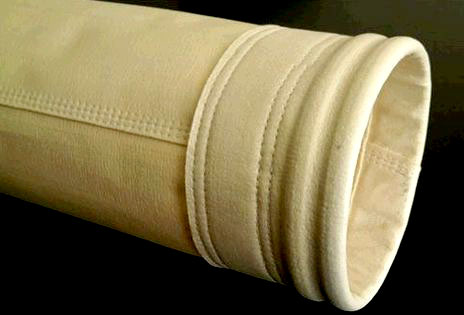
What Is Dust Filtration & Filter Bags?
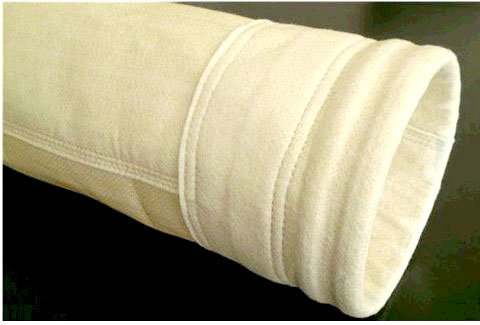
Dust filtration captures airborne particulate from industrial exhaust using filter bags and cartridges, keeping stack emissions inside permit limits across cement, steel, power and chemical plants.
Key Takeaways
- Baghouse filters are the standard for industrial particulate control, capturing sub-micron dust on qualified media.
- Media is matched to temperature and chemistry: PE to 130 C, fiberglass and PTFE to 260 C.
- A PTFE membrane lowers pressure drop and improves dust release.
- Cage, venturi and finish decide bag life as much as the cloth.
Specifications & Comparison
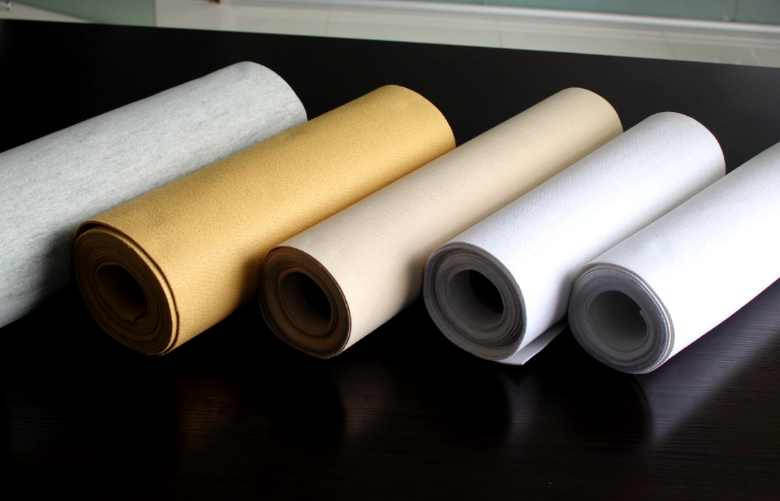
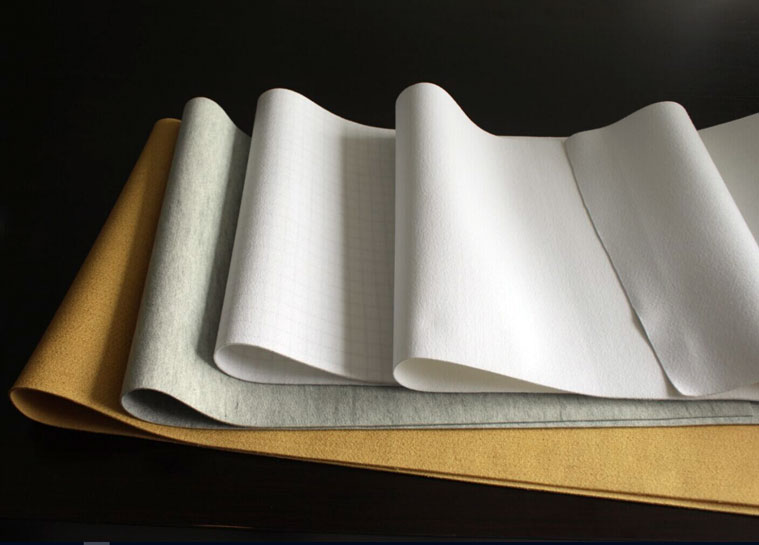
| Filter media | Polyester, Polypropylene, Fiberglass, PTFE, PPS |
|---|
| Micron rating | 0.5-10 um (target emission) |
|---|
| Temperature | PE <=130 C - PP <=90 C - Fiberglass/PTFE <=260 C |
|---|
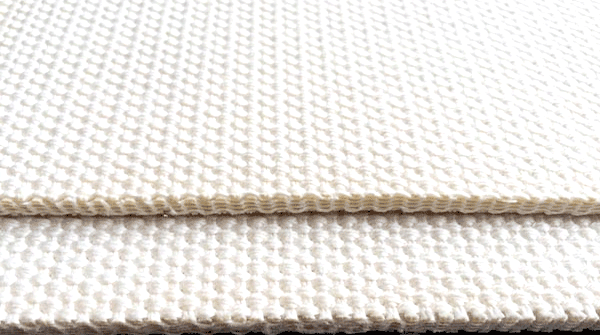
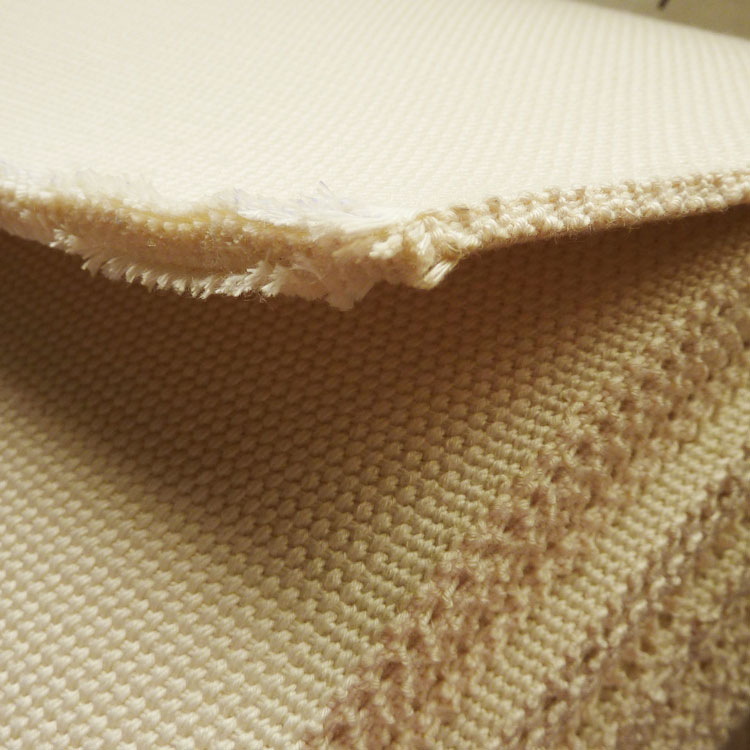
| Finish | Singed, calendered, PTFE membrane, anti-static, oil-water repellent |
|---|
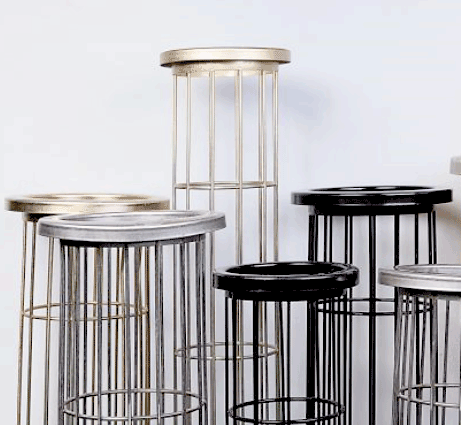
| Cage | Carbon steel, SS304/316, galvanized, epoxy |
|---|
| Standards | ISO 16890 - EN 779 - local emission codes |
|---|
How to Select the Right Dust Filtration & Filter Bags
- Define gas temperature, moisture and explosive-dust risk.
- Pick media by temperature headroom and chemistry.
- Choose finish: membrane for fine/sticky dust, anti-static for combustible dust.
- Match cage and venturi to the tube sheet and cleaning system.
Typical Applications
- Cement, steel and power plants
- Chemical and pharmaceutical powder handling
- Food, wood and metal processing
Frequently Asked Questions
What micron rating do dust bags use?
Typically 0.5-10 micron capture at the cloth face; real emission depends on media, cleaning and cage condition.
Which media handles the highest temperature?
Fiberglass and PTFE run to about 260 C and suit kilns, boilers and incinerators.
Materials & Chemistry
- Polyester (PET) - the general-duty synthetic, rated to about 130 C, the default for ambient dust and fume.
- Polypropylene (PP) - acid- and moisture-resistant, used to about 90 C in wet or corrosive dust.
- Fiberglass - woven or needled glass fibre for continuous 260 C service on kilns, boilers and incinerators.
- Polytetrafluoroethylene (PTFE) - the most chemically inert media, 260 C, often with a porous membrane laminate.
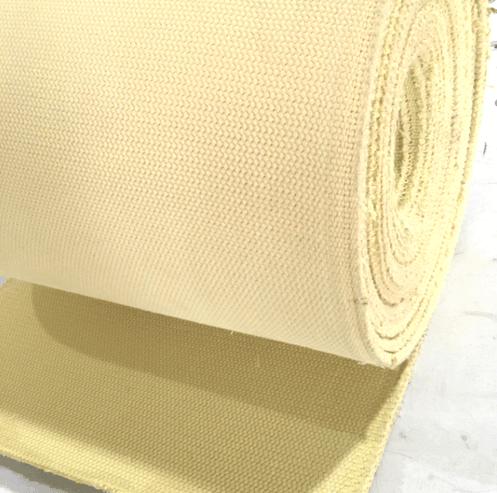
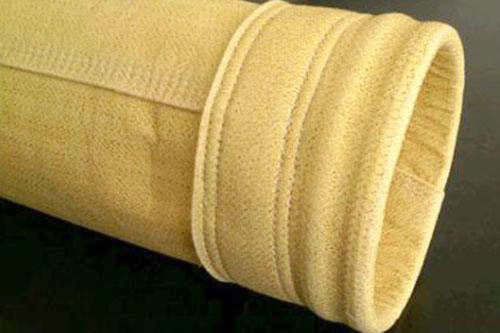
- Aramid (Nomex) - a high-temperature organic fibre to about 204 C for hot, non-alkali dust streams.
- Polyphenylene sulfide (PPS / Ryton) - alkali- and sulphur-resistant to 190 C for cement and waste-incineration gas.
Standards & Compliance
- ISO 16890 - the current air-filter classification by ePM1, ePM2.5 and ePM10 capture efficiency.
- EN 779 - the legacy grade system (G4, F7, F9) still shown on many equipment datasheets.
- ASHRAE 52.2 - the North American MERV rating method for HVAC filters.
- OSHA 29 CFR 1910.94 - general ventilation and dust-control requirements for workplaces.
- ATEX 2014/34/EU - equipment rules for combustible-dust and explosive-atmosphere areas.
Buyer's Guide & Common Mistakes
- Match media to peak gas temperature with margin; choose finish for the dust (membrane for fine or sticky, anti-static in ATEX zones).
- Size the bag to the tube sheet exactly - wrong diameter or length is the top cause of premature bag failure.
- Watch the air-to-cloth ratio; too high a face velocity blinds the media and raises pressure drop fast.
- Pre-filter bulk solids ahead of the final fine bag to extend life and cut replacement cost.
Authoritative References
Related Products & Terminology
- Pulse-jet baghouse
- Reverse-air collector
- Cartridge dust collector
- Cyclone pre-filter
- Electrostatic precipitator
- Pleated filter element
- Snap-band collar
- Venturi booster
- Solenoid pulse valve
- Differential-pressure gauge
- Air-to-cloth ratio
- Cage wire
- Anti-static ground
- PTFE membrane laminate
- Oil-water repellent finish
Engineering & Evaluation Notes
In a pulse-jet baghouse, short compressed-air pulses travel down a venturi to snap the dust cake off the cloth; reverse-air and shake-deflate designs use gentler, continuous cleaning suited to woven media. Sizing the air-to-cloth ratio and tracking differential pressure protect filtration efficiency and cut lifecycle cost, while correct cage and venturi geometry keep the bag from abrading or collapsing between cleaning cycles.
Last updated: 2026-10-04. Technical review by KOSA Filtration Engineering · LinkedIn. Specifications are typical industry values; confirm exact grades with our engineering team for your duty.